


Take the First Step Towards Restoring Your Teeth
Book by Phone
+90 542 464 09 65
Book via WhatsApp
Opening Hours
Restorative dentistry aims to repair teeth damaged by decay, fractures, wear or other causes while preserving as much healthy tooth structure as possible. At DentLotus, we tailor treatment to the extent of tooth damage, your oral anatomy, functional needs and aesthetic expectations.
What Is Restorative Dentistry?
Restorative dentistry focuses on rebuilding damaged tooth structure using appropriate materials and techniques.
Restorative treatments can address decay, fractures, wear, irregular tooth shapes and localised loss of tooth structure. The aim is to restore function and a natural appearance while preserving as much healthy tooth tissue as possible.
The treatment approach depends on how much tooth structure has been lost, where the damage is located and the condition of the tooth.
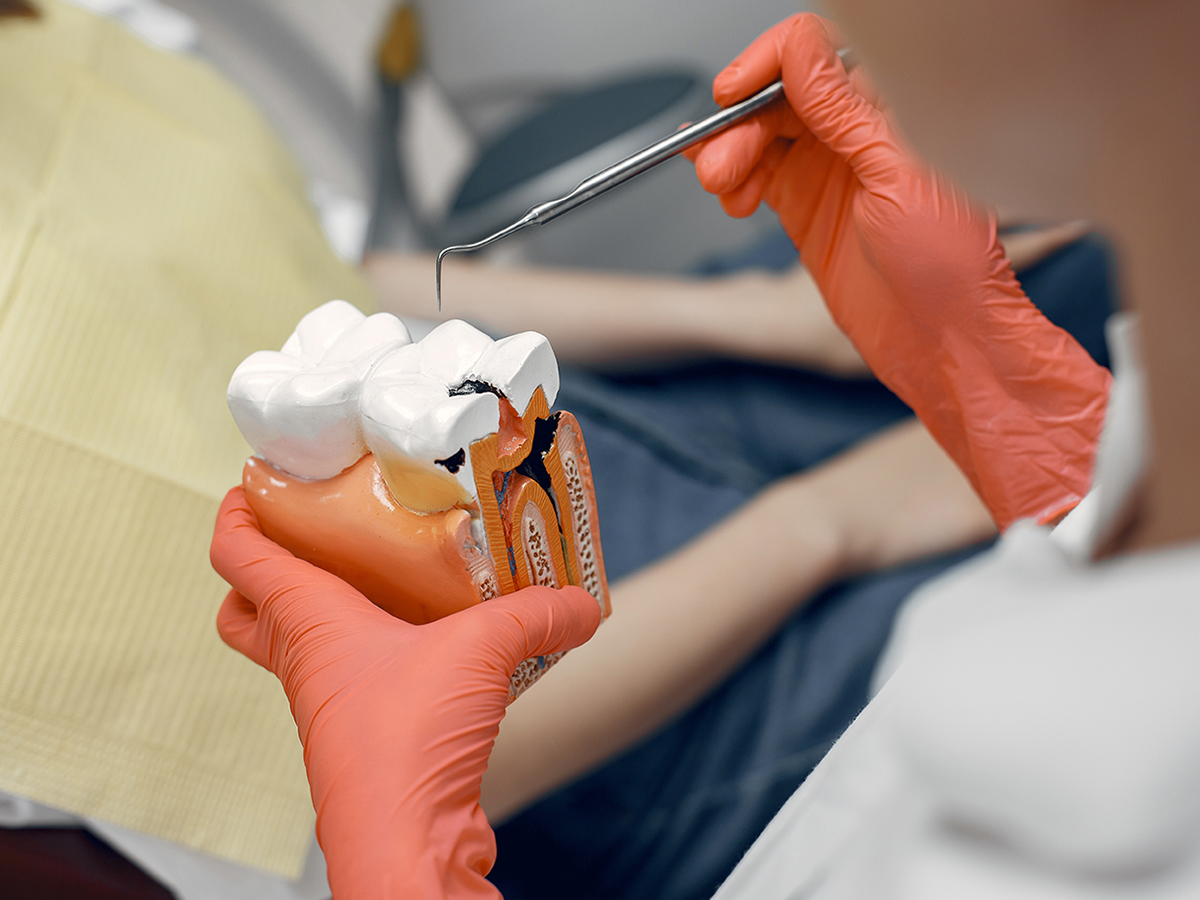
When Might Restorative Treatment Be Needed?
Restorative treatment may be considered for a range of conditions that damage natural tooth structure.
- Treating tooth decay
- Repairing broken or cracked teeth
- Restoring worn tooth surfaces
- Replacing old fillings or fillings that no longer fit well
- Correcting minor differences in tooth shape and size
- Closing certain small gaps between teeth
- Addressing minor cosmetic concerns on tooth surfaces
The most suitable approach is chosen after assessing the remaining tooth structure and your treatment needs.
Restorative Treatment Options
Your treatment method is selected according to the extent of tooth structure loss and your functional and aesthetic needs.
Composite Fillings
Aesthetic Fillings
Composite Bonding
Inlays and Onlays
Your Restorative Treatment Journey
Planning considers the extent of tooth damage, the tooth’s function, your bite and the surrounding tissues.
Examination and Assessment
Imaging and Diagnosis
Planning Your Treatment
Preparing the Tooth
Placing the Restoration
Review and Follow-Up
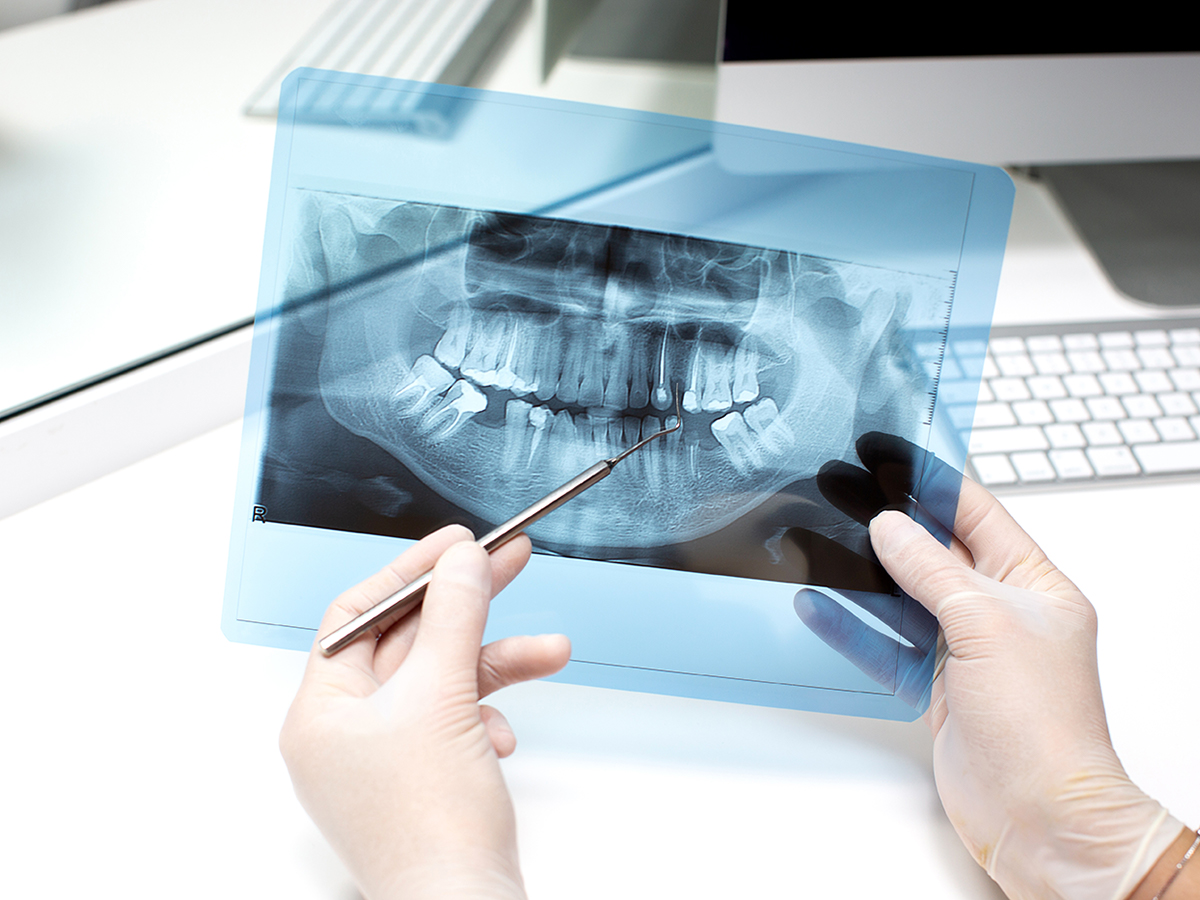
Restorative Care Planned Around You
The cause, extent and location of tooth structure loss differ from tooth to tooth. The scope of treatment and choice of material are therefore tailored to you and the tooth being treated.
Preserving healthy tooth structure is a priority during planning, alongside chewing function, your bite and the tooth’s appearance.
Benefits of Restorative Dentistry
Appropriately planned restorative care can help repair damaged tooth structure, preserve your natural tooth and maintain its function.
- Helps preserve as much healthy tooth structure as possible
- Repairs decayed or damaged tooth structure
- Supports continued chewing function
- Allows restorations to match your natural tooth colour
- Helps correct small chips and shape irregularities
- Helps restore the tooth’s natural shape
What to Expect After Restorative Treatment
Some patients experience temporary sensitivity to hot or cold, or tenderness when chewing, after restorative treatment. This may vary with the extent of the procedure and the tooth’s condition before treatment.
Maintain a consistent daily oral hygiene routine to protect your restorations and natural teeth. Avoid habits that place excessive force on restorations, such as clenching your teeth or using them to break hard objects.
Have your dentist assess any fracture, wear or colour change in a restoration, or any change in how your teeth bite together.

Caring for Your Restorations
Restored teeth need regular oral care alongside your other natural teeth.
Regular brushing, appropriate cleaning between teeth and routine dental reviews help maintain both your restorations and the surrounding natural tooth structure.
Your dentist will assess your restorations during regular reviews and plan maintenance, adjustments or replacement where needed.
Your Restorative Dentistry Questions Answered
Find answers to common questions about restorative treatment options, what to expect and care after treatment.