


Take the First Step Towards a Healthy Smile for Your Child
Book by Phone
+90 542 464 09 65
Book via WhatsApp
Opening Hours
Children’s dentistry focuses on caring for baby and permanent teeth, monitoring oral development and providing treatment from infancy through adolescence. At DentLotus, we assess each child’s oral health with their age, stage of development and individual needs in mind.
What Is Children’s Dentistry?
Children’s dentistry focuses on protecting oral health, identifying dental problems early and providing appropriate treatment.
From the arrival of the first baby teeth to the development of the full permanent dentition, regular visits allow us to monitor tooth and jaw development, decay risk and oral care habits.
Alongside treating existing problems, preventive care and regular reviews help children develop healthy oral care habits from an early age.
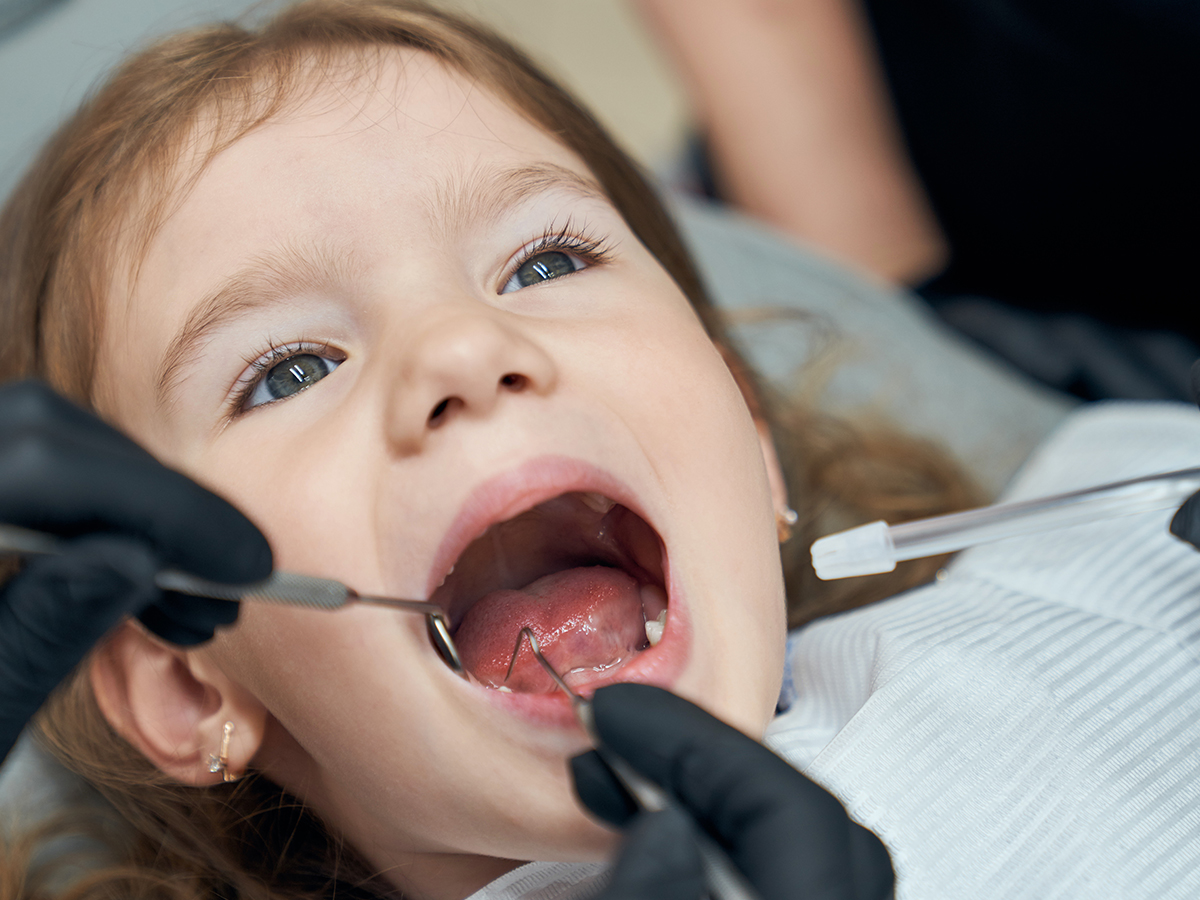
Why Are Dental Check-Ups Important for Children?
A child’s mouth and teeth change as they grow. Regular dental check-ups help monitor these changes and identify potential problems early.
- Monitoring baby and permanent tooth development
- Identifying tooth decay early
- Assessing the risk of tooth decay
- Developing good oral care habits
- Monitoring the arrival of new teeth
- Assessing jaw and tooth development
- Identifying the need for preventive care
The frequency of check-ups can be tailored to your child’s age, oral health and risk of decay.
Dental Treatments for Children
Suitable treatments depend on your child’s age, dental development and current oral health.
Preventive Dental Care
Dental Fillings for Children
Pulp Treatment for Baby Teeth
Space Maintainers
Treatment for Dental Injuries
Your Child’s Dental Treatment Journey
Planning considers your child’s dental problem alongside their age, stage of development, treatment needs and communication with the dentist.
A First Visit to Get Acquainted
Oral and Dental Examination
Imaging and Assessment
Your Child’s Personalised Treatment Plan
Your Treatment
Regular Reviews and Preventive Care

Dental Care Tailored to Your Child
Every child has a different age, stage of development, oral health condition and experience of dental visits. Both treatment and communication should therefore be tailored to the individual child.
We explain examinations and treatment in language your child can understand, helping them feel at ease in the clinic and develop positive oral health habits.
Planning considers existing problems alongside your child’s future dental development and preventive care needs.
Benefits of Children’s Dental Care
Regular reviews and care suited to your child’s needs can help protect their oral health throughout growth and development.
- Helps identify dental problems early
- Allows baby and permanent tooth development to be monitored
- Provides preventive care to help reduce tooth decay
- Supports timely treatment of existing dental problems
- Helps build good oral care habits from an early age
- Helps children become comfortable with regular dental visits
Looking After Your Child After Dental Treatment
Aftercare needs vary according to the procedure and your child’s age.
After local anaesthesia, take care that your child does not bite their lip, cheek or tongue until the numbness has fully worn off. Follow the dentist’s advice on eating and oral care.
Regular, age-appropriate brushing is important, with parental help where needed. Attending scheduled review appointments also allows your child’s oral health to be monitored.
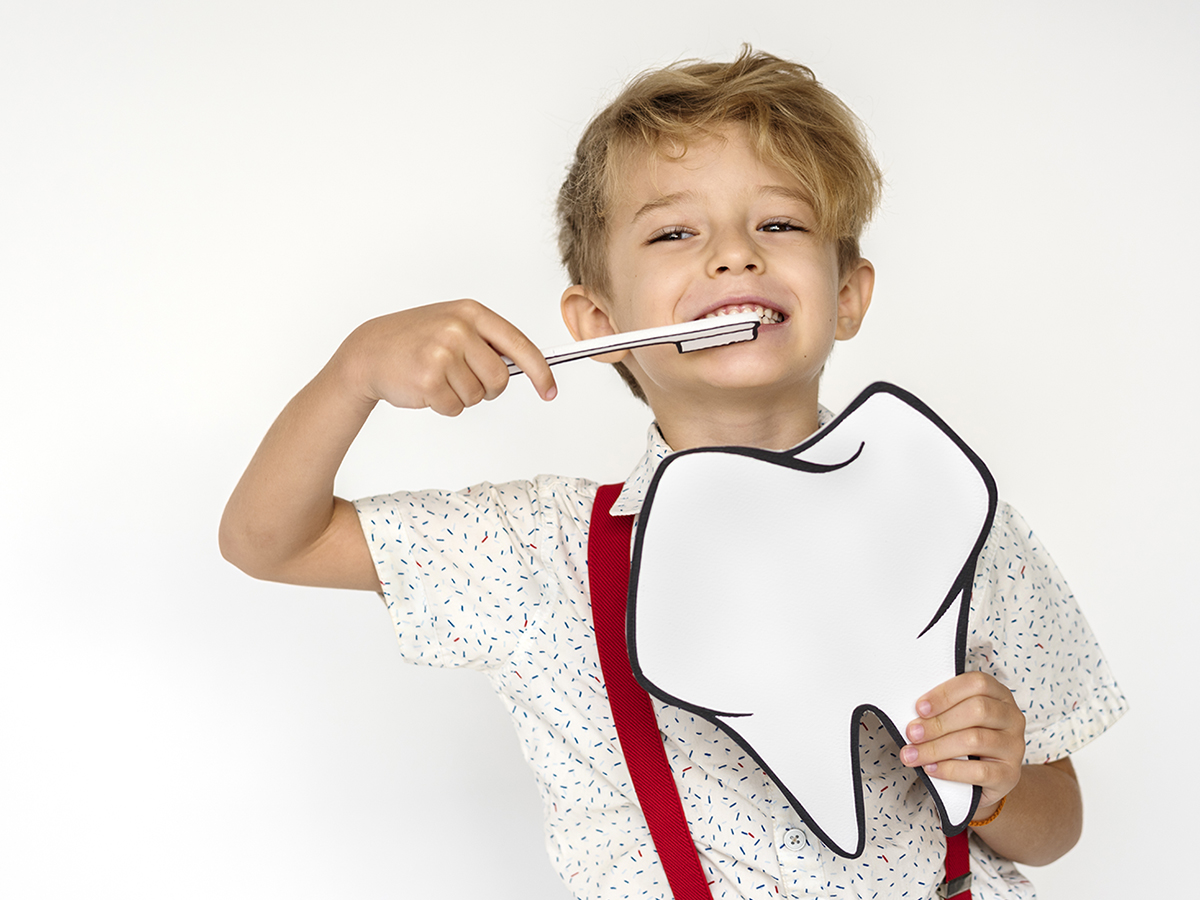
Helping Your Child Maintain a Healthy Smile
Oral care habits learned in childhood lay the foundation for dental health in later life.
Regular, age-appropriate brushing, consideration of how eating habits affect dental health and routine dental check-ups are all important.
Your dentist will assess whether fluoride applications, fissure sealants or other preventive measures are needed, based on your child’s age and risk of decay.
Your Children’s Dentistry Questions Answered
Find answers to common questions about children’s dental visits, baby teeth and preventive care.