


Take the First Step Towards Root Canal Treatment
Book by Phone
+90 542 464 09 65
Book via WhatsApp
Opening Hours
Endodontics focuses on diagnosing and treating conditions affecting the dental pulp inside the tooth and the tissues around its roots. At DentLotus, we tailor root canal treatment to the condition of your tooth, the extent of any infection and the surrounding tissues.
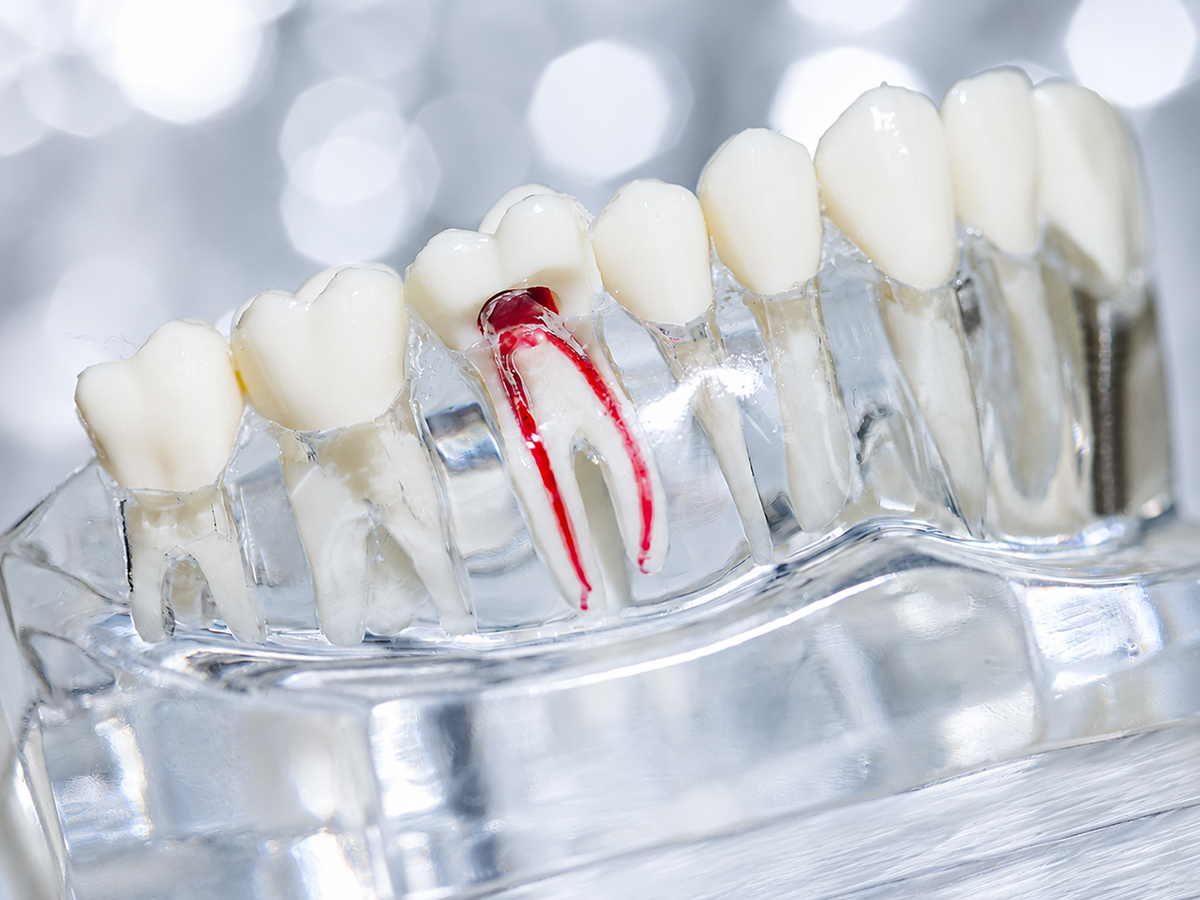
What Is Root Canal Treatment?
Root canal treatment is an endodontic procedure used when the pulp inside a tooth has been irreversibly damaged by infection, decay or trauma.
During treatment, the damaged pulp is removed and the root canals are cleaned, shaped and filled with suitable materials to help reduce the risk of reinfection.
After root canal treatment, an appropriate restoration is planned according to the remaining tooth structure so the tooth can continue to function.
When Might Root Canal Treatment Be Needed?
Root canal treatment may be considered when the dental pulp is infected or irreversibly damaged.
- Deep decay affecting the dental pulp
- Persistent toothache or pain that starts without an obvious trigger
- Lingering sensitivity to hot or cold
- Pain when chewing or biting
- Infection around the tooth root
- Swelling or an abscess in the gum
- Damage to the dental pulp following an injury
- A previously treated tooth that needs root canal retreatment
Having one or more of these signs does not necessarily mean you need root canal treatment. A diagnosis is made through clinical examination and dental imaging.
What Happens During Root Canal Treatment?
The aim is to remove infected or damaged tissue, clean the root canal system and restore the tooth so it can continue to function in your mouth.
Examination and Assessment
Preparing the Tooth
Cleaning and Shaping the Root Canals
Filling the Root Canals
Restoring the Tooth
Review and Follow-Up
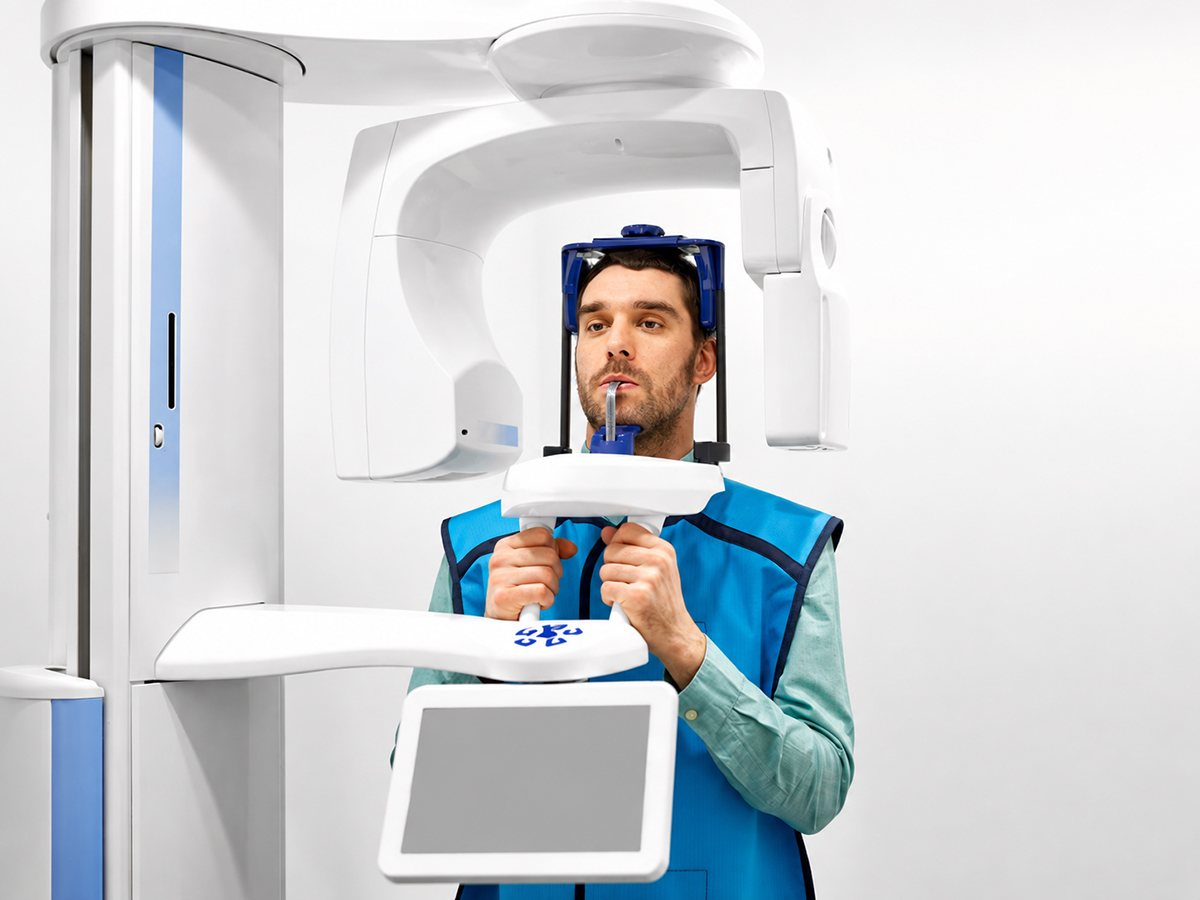
Root Canal Care Planned Around You
The number and shape of root canals vary between teeth and individuals. The extent of infection, the amount of healthy tooth structure remaining and any previous treatment also influence planning.
The treatment approach and number of appointments are therefore determined by clinical findings and dental imaging. We also assess the remaining tooth structure to plan how the tooth will be restored after treatment.
Benefits of Root Canal Treatment
In suitable cases, root canal treatment can help preserve an infected or damaged natural tooth and allow it to continue functioning.
- Helps preserve your natural tooth
- Removes infected or damaged tissue from the root canal system
- Helps relieve infection-related pain and sensitivity
- Supports continued chewing function
- Can help avoid extraction in suitable cases
- Allows the treated tooth to function again with an appropriate restoration
Recovery After Root Canal Treatment
You may notice tenderness or mild discomfort when chewing, particularly during the first few days after treatment. This can vary depending on the tooth’s condition before treatment and the response of the surrounding tissues.
Follow your dentist’s advice after treatment and protect the tooth from excessive biting forces until the permanent restoration is complete.
Contact your dentist if you experience severe or worsening pain, noticeable swelling or any unexpected symptoms.

Caring for Your Tooth After Root Canal Treatment
A root canal-treated tooth needs regular oral care, just like your other natural teeth.
Brush regularly, clean between your teeth using appropriate methods and attend routine dental reviews. Completing the planned permanent restoration on time is also important for protecting the treated tooth.
Your dentist will assess the treated tooth and surrounding tissues during regular review appointments.
Your Root Canal Questions Answered
Find answers to common questions about root canal treatment, appointment timelines and care after treatment.