


Take the First Step Towards Restoring Your Smile
Book by Phone
+90 542 464 09 65
Book via WhatsApp
Opening Hours
Prosthodontic treatment aims to restore the function and appearance of missing or significantly damaged teeth. At DentLotus, we tailor your care by assessing your remaining teeth, areas of tooth loss, bite and individual needs.
What Is Prosthodontic Treatment?
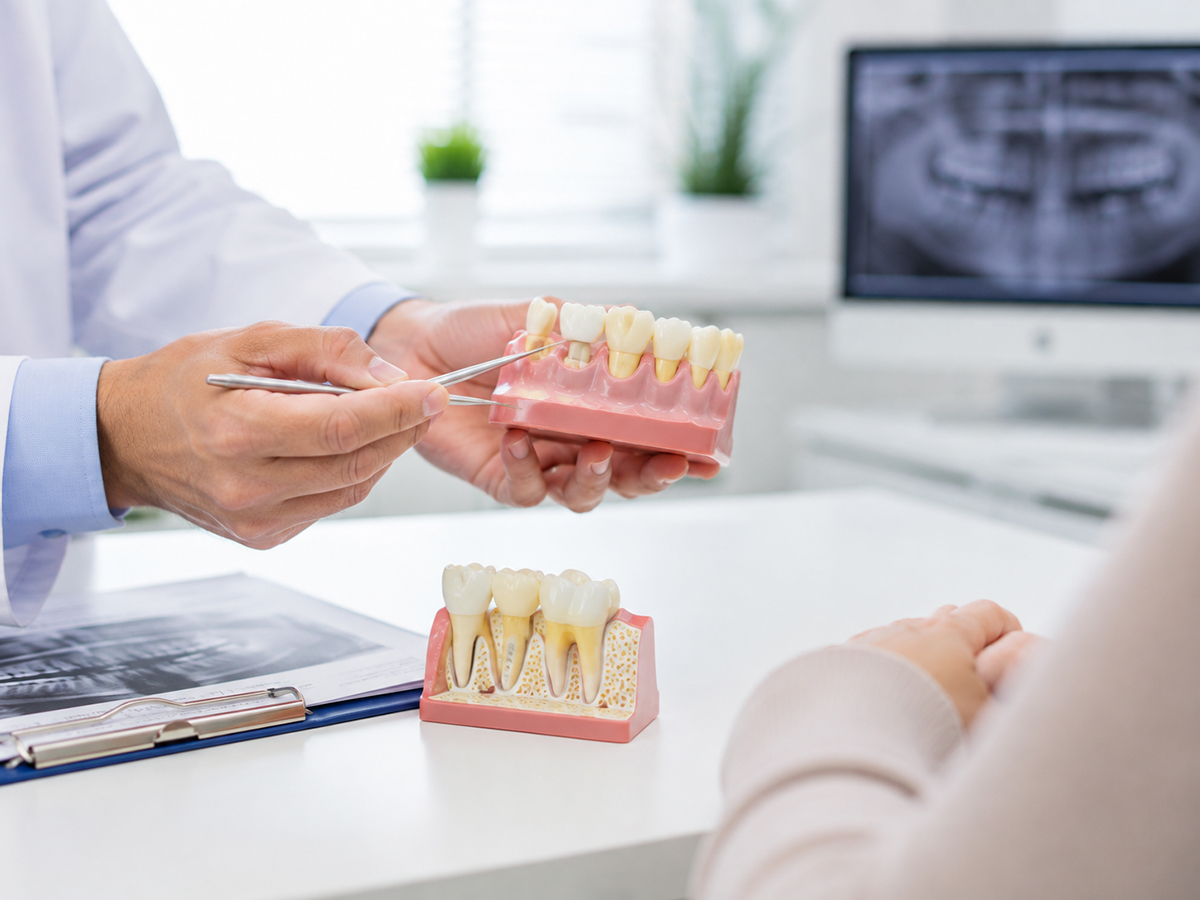
Prosthodontics involves replacing missing teeth and restoring teeth whose structure has been damaged.
Options such as crowns, bridges, removable dentures and implant-supported restorations aim to support chewing function and create a natural-looking smile.
The type of restoration is selected according to the number of missing teeth, the condition of your remaining teeth and supporting tissues, any existing implants, your bite and your needs.
Who May Benefit from Prosthodontic Treatment?
Prosthodontic care may be considered for adults of different ages who have missing teeth or substantial loss of tooth structure.
- People with one or more missing teeth
- People with substantial loss of tooth structure
- People who need existing crowns or bridges replaced
- People who need removable dentures
- People preparing for implant-supported restorations
- People who need to restore chewing function
The most suitable treatment is determined after a clinical examination and any necessary dental imaging.
Prosthodontic Treatment Options
Your treatment options depend on the condition of your teeth and surrounding tissues. Different restorations can be considered to suit your individual oral anatomy and needs.
Dental Crowns
Dental Bridges
Removable Dentures
Implant-Supported Restorations
Your Prosthodontic Treatment Journey
Careful planning brings together an assessment of your remaining teeth, gums, areas of tooth loss and bite.
Examination and Assessment
Imaging and Treatment Records
Your Personalised Treatment Plan
Preparation and Impressions
Try-In and Final Fitting
Review and Follow-Up
Restorative Care Planned Around You
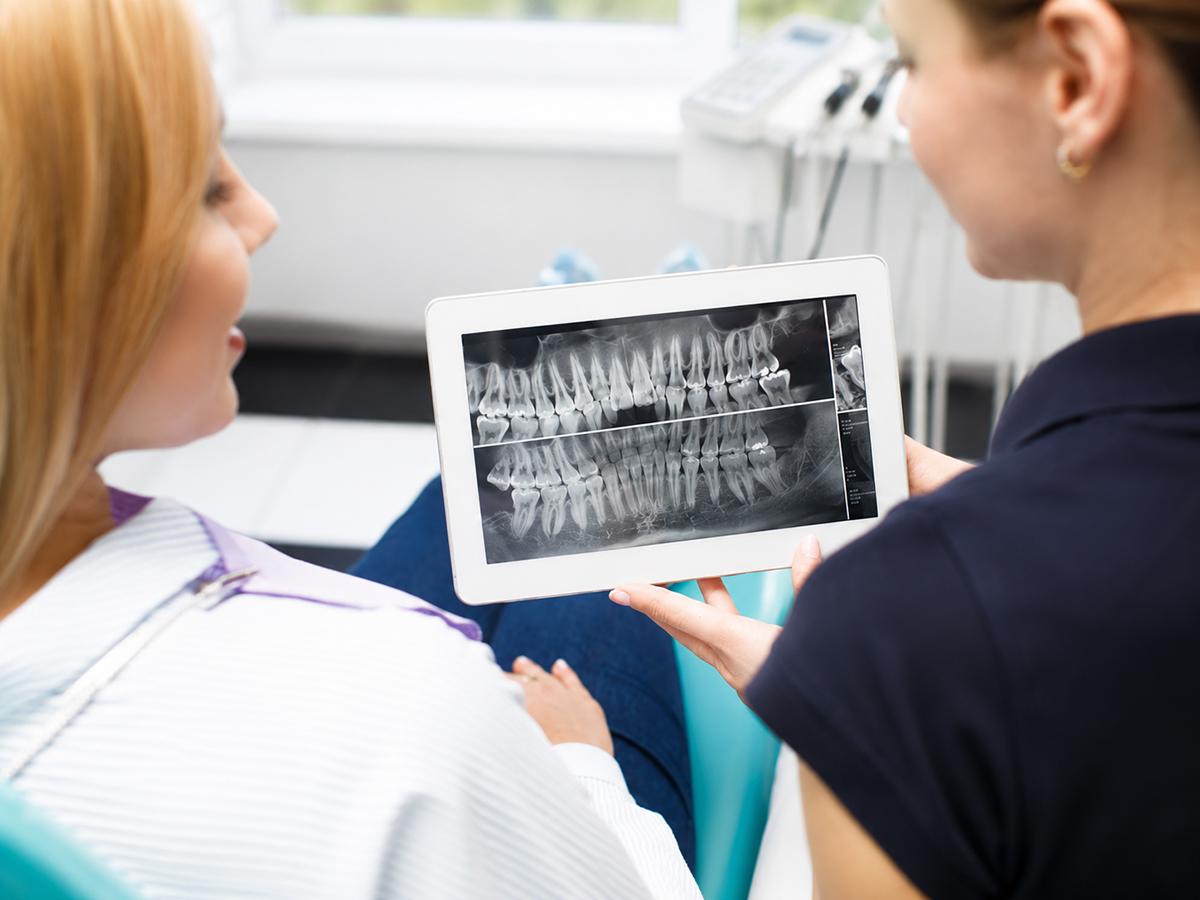
Every patient has a different pattern of tooth loss, remaining tooth structure and functional needs. Your prosthodontic treatment should therefore be planned individually.
Planning considers your missing or damaged teeth alongside your bite, gums, supporting tissues and any implants. The shape and design of your restoration are tailored to the conditions within your mouth.
Benefits of Prosthodontic Treatment
Appropriately planned prosthodontic care can help address the functional and aesthetic needs caused by missing or damaged teeth.
- Replacement of missing teeth
- Support for chewing function
- Restoration of damaged teeth
- A tooth appearance that complements your natural smile
- A range of options for different patterns of tooth loss
- Options that work with dental implants
Adjusting to Your New Dental Restoration
The time needed to adjust to a new restoration depends on its type and your oral anatomy. After treatment, follow your dentist’s advice on how to use and clean it.
Maintain a consistent daily cleaning routine around fixed crowns and bridges. Removable dentures should be used and cleaned according to your dentist’s instructions.
For implant-supported restorations, cleaning around the implants and attending regular reviews are also part of maintaining long-term oral health.
Caring for Your Dental Restorations
Daily oral care and regular dental reviews are important for maintaining your restorations over the long term.
Brush fixed crowns and bridges regularly along with your natural teeth, and use appropriate oral care tools to clean around restorations and between teeth. If you wear removable dentures, keep both the dentures and your remaining teeth and soft tissues clean.
After treatment, your dentist will explain the care routine suited to your particular restoration.
Your Prosthodontic Questions Answered
Find answers to common questions about prosthodontic treatment options, what to expect and living with dental restorations.