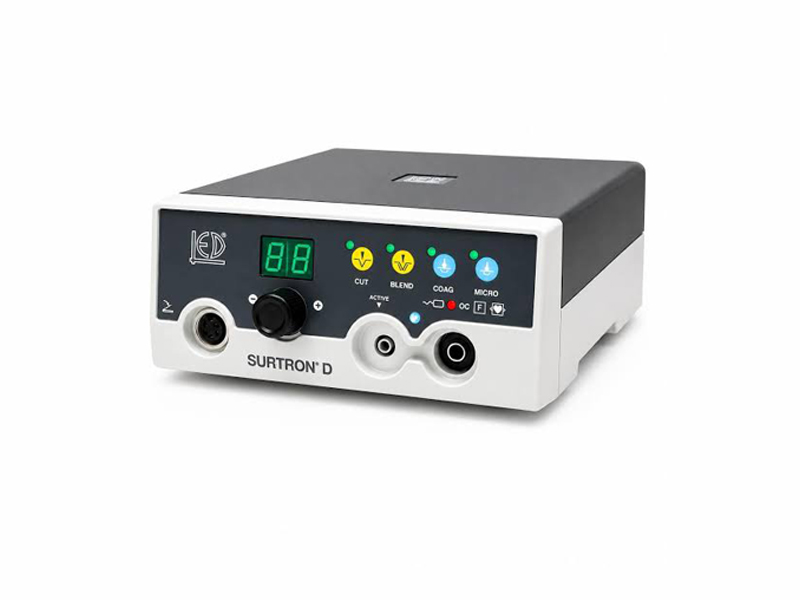
Surtron-D Electrosurgical Unit

The Surtron-D electrosurgical unit supports controlled procedures on oral soft tissues and assists with bleeding control during appropriate clinical applications.

What Is the Surtron-D Electrosurgical Unit?

Surtron-D is an electrosurgical unit used for a range of soft tissue procedures in dentistry. It uses electrical energy to support controlled tissue cutting or coagulation.

For soft tissue procedures that require precision, it can help the dentist maintain control of the treatment area. By helping manage bleeding, it can improve visibility and support treatment within the planned tissue boundaries.

Your dentist selects the appropriate applications and settings based on the procedure and your clinical needs.

Surtron-D at DentLotus

At DentLotus, we use Surtron-D for suitable procedures involving the gums and other soft tissues in the mouth.

Electrosurgery can help the dentist work precisely on the selected tissue while controlling bleeding. This can make the treatment area easier to manage during restorative, prosthodontic and periodontal procedures.

We assess the use of Surtron-D individually for each patient and procedure, incorporating it into care where the planned treatment calls for it.

Key Features of Surtron-D

Precision in Soft Tissue Care

Helps the dentist work precisely within the selected area of soft tissue.

Bleeding Control

Its coagulation function helps control bleeding during suitable procedures.

Clearer Visibility

Helps improve visibility of the treatment area so the dentist can maintain control throughout the procedure.

A Range of Clinical Applications

Can be used at selected stages of periodontal, restorative and prosthodontic treatment.

How Surtron-D Supports Your Treatment

Careful management of the treatment area is essential when working with soft tissues in the mouth. Where appropriate, Surtron-D helps shape tissue in a controlled way while managing bleeding.

This can improve visibility during restorative and prosthodontic procedures where the gum margins are important. In suitable periodontal cases, it may also be used to reshape soft tissue.

Your dentist determines whether electrosurgery is appropriate and selects the technique based on your tissues and the planned treatment.

Which Treatments Can Use Surtron-D?

Surtron-D can support dental procedures that require controlled reshaping of soft tissues or management of bleeding.

Periodontal Treatment

May be used in suitable periodontal procedures that require reshaping of gum tissue.

Prosthodontics

Can help manage gum margins and prepare the treatment area at selected stages of crown and other prosthodontic procedures.

Restorative Dentistry

Can support treatment when soft tissue around the area being restored needs to be managed.

Cosmetic Dentistry

May be used in suitable cosmetic procedures where gum contouring is planned.

What to Expect During a Surtron-D Procedure

A Surtron-D procedure follows a planned sequence, from examining your mouth and preparing the treatment area to a final check.

1

Clinical Assessment

Your dentist examines the soft tissues and treatment area to determine whether electrosurgery is appropriate.
2

Planning the Treatment Area

The dentist identifies the tissue boundaries and plans how the unit will be used for your procedure.
3

Carefully Controlled Treatment

The dentist uses Surtron-D to carry out the planned procedure on the selected soft tissue, controlling bleeding where needed.
4

A Final Check

Once the procedure is complete, your dentist checks the treated area before moving on to the next stage of care.
Frequently Asked Questions

Your Surtron-D Questions Answered

What Is Electrosurgery Used for in Dentistry?

Electrosurgical units can be used for controlled cutting and reshaping of soft tissues in the mouth, and to manage bleeding during suitable procedures.

Is Surtron-D Used on the Teeth?

Surtron-D is primarily used for soft tissue procedures. Your dentist determines the treatment area and technique according to the planned care.

Are Electrosurgery and Dental Lasers the Same?

No. Both can be used for certain soft tissue procedures, but they work differently. Electrosurgery uses electrical energy, while dental lasers use light energy.

Will I Need Anaesthesia?

Local anaesthesia may be used depending on the extent and location of the procedure. Your dentist assesses whether it is needed beforehand.

Is Electrosurgery Used for Every Gum Procedure?

No. Electrosurgery is not necessary or appropriate for every gum procedure. The technique is chosen according to your clinical condition and planned treatment.

How Does Surtron-D Help Control Bleeding?

The coagulation function can help control bleeding from small blood vessels during suitable soft tissue procedures, keeping the treatment area more clearly visible.
Our Treatments

Treatments Supported by Surtron-D

Surtron-D can support a range of dental treatments that require soft tissue management.

Cosmetic Dentistry

  • Smile Design
  • Porcelain Veneers
  • Teeth Whitening
  • Dental Bonding
Explore This Treatment
01

Cosmetic Dentistry

Personalized cosmetic dental treatments designed to improve the appearance of the teeth and smile.


Periodontology

  • Gum Disease
  • Bleeding Gums
  • Gum Recession
  • Periodontal Treatment
Explore This Treatment
02

Periodontology

Periodontal treatment and care options designed to support the health of the gums and surrounding tissues.

Restorative Dentistry

  • Composite Fillings
  • Aesthetic Fillings
  • Dental Bonding
  • Inlays and Onlays
Explore This Treatment
03

Restorative Dentistry

Restorative treatment options designed to repair damaged tooth structure and preserve the natural tooth.

Prosthetic Dentistry

  • Dental Crowns
  • Dental Bridges
  • Removable Dentures
  • Implant-Supported Prostheses
Explore This Treatment
04

Prosthetic Dentistry

Prosthetic dental treatments designed to restore the function and appearance of missing or damaged teeth.

Explore Your Treatment Options