


Take the First Step Towards Healthier Gums
Book by Phone
+90 542 464 09 65
Book via WhatsApp
Opening Hours
Periodontics focuses on diagnosing, treating and monitoring conditions affecting the gums and the tissues that support your teeth. At DentLotus, we tailor periodontal care to the condition of your gums, teeth and supporting tissues.
What Is Periodontics?
Periodontics is the branch of dentistry concerned with the health of your gums and the bone and other tissues supporting your teeth.
Early signs of gum disease may include redness, swelling or bleeding. As the disease progresses, it can also affect the deeper tissues that support your teeth.
Periodontal treatment aims to control the factors causing disease, protect the health of the gums and supporting tissues, and maintain the improvements through regular follow-up care.

What Are the Signs of Gum Disease?
The signs of gum disease can vary with the type of condition and how far it has progressed.
- Gums that bleed when brushing or without an obvious trigger
- Red or swollen gums
- Tender gums
- Receding gums
- Teeth that appear longer than before
- Persistent bad breath
- New gaps developing between teeth
- Loose teeth in advanced cases
One of these signs alone does not confirm periodontal disease. A clinical assessment of your gums and supporting tissues is needed to determine whether disease is present and its extent.
Gum Conditions We Assess
Periodontal conditions vary in their stage and clinical features. Treatment depends on the type of disease and the extent to which the supporting tissues are affected.
Gingivitis
Periodontitis
Gum Recession
Different periodontal approaches can address different gum and supporting tissue needs. The most suitable approach is chosen according to your clinical findings and individual treatment plan.
Your Periodontal Treatment Journey
Before treatment, we carry out a detailed assessment of your gums, teeth and supporting tissues.
Periodontal Examination
Periodontal Measurements and Imaging
Your Personalised Treatment Plan
Your Periodontal Treatment
Reviewing Your Response to Treatment
Ongoing Periodontal Care
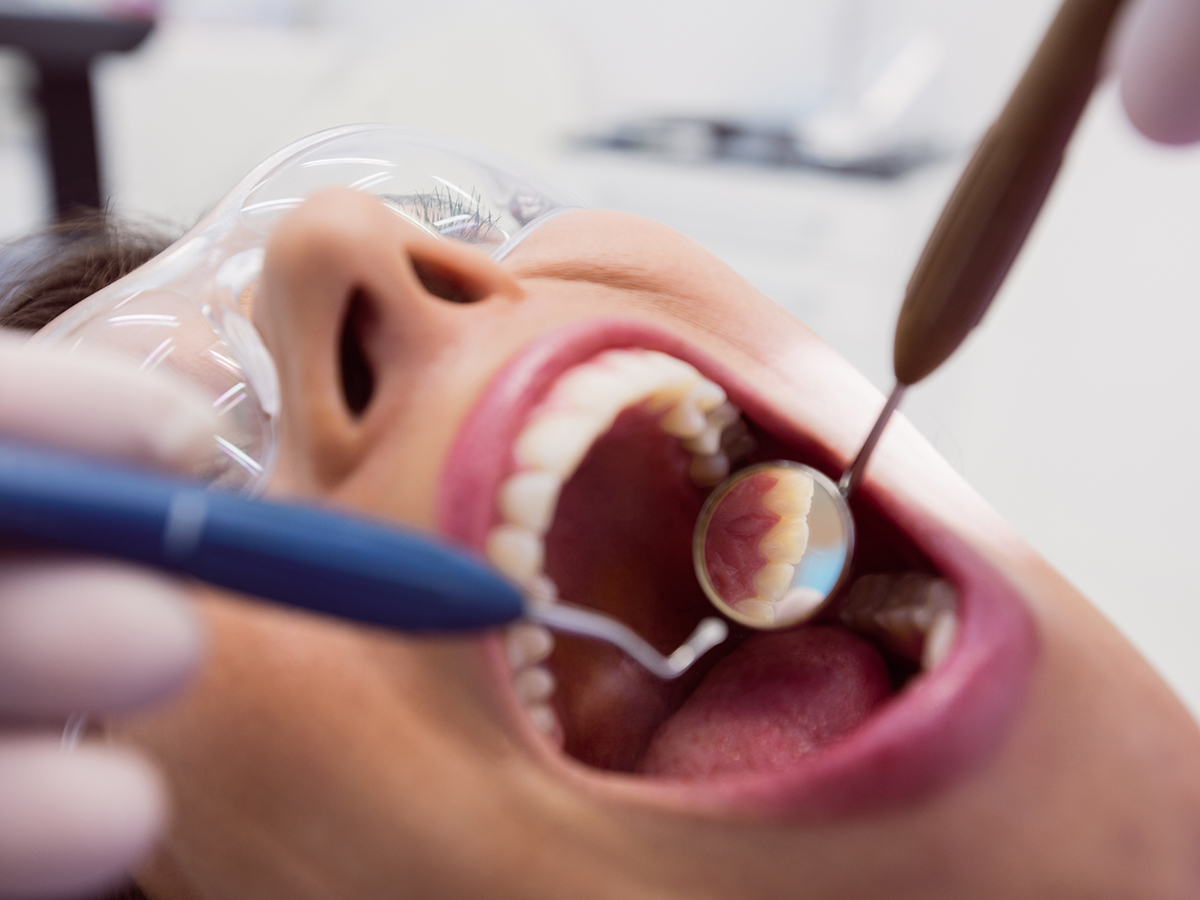
Periodontal Care Planned Around You
The type and stage of gum disease and its effect on supporting tissues vary from person to person. Periodontal treatment is therefore planned around your individual clinical findings.
Planning considers gum health alongside plaque and tartar build-up, periodontal pocket depths, bone levels, existing restorations and your oral care habits.
Benefits of Periodontal Treatment
Appropriately planned periodontal treatment helps control gum disease and protect the health of the tissues supporting your teeth.
- Helps control gum inflammation
- Helps reduce signs such as bleeding and swelling
- Removes deposits from tooth and root surfaces
- Helps control the progression of periodontal disease
- Supports the preservation of tissues around your teeth
- Helps make ongoing oral hygiene more effective
What to Expect After Periodontal Treatment
Your gums may feel tender for a short time after treatment. Temporary sensitivity to hot and cold can also occur, particularly where root surfaces are exposed.
Consistent daily oral care plays an important role in long-term treatment success. Alongside brushing, clean between your teeth using methods suited to your needs.
Attending the review and periodontal maintenance appointments recommended by your dentist is important for monitoring the risk of disease becoming active again.

Maintaining Healthy Gums
A consistent and effective oral care routine is central to maintaining periodontal health.
Regular brushing and cleaning between teeth with suitable tools help control plaque around the gums. Depending on your oral anatomy, your dentist may recommend floss, interdental brushes or other cleaning methods.
Regular dental reviews and professional care where needed help identify changes in gum health at an early stage.
Your Gum Health Questions Answered
Find answers to common questions about gum disease symptoms, periodontal treatments and care after treatment.