


Take the First Step Towards Orthodontic Care
Book by Phone
+90 542 464 09 65
Book via WhatsApp
Opening Hours
Orthodontics is the branch of dentistry concerned with assessing and treating crowded teeth, gaps and bite problems. At DentLotus, we plan orthodontic care around the position of your teeth, your jaw anatomy, your bite and your individual needs.
What Is Orthodontic Treatment?
Orthodontic treatment aims to improve how your teeth and jaws fit together, creating a better balance between function and appearance.
Crowded teeth, gaps and bite problems can be addressed with different orthodontic approaches. The right method depends on the type of problem, your age, your oral anatomy and your treatment needs.
Alongside improving the appearance of your teeth, orthodontic treatment can support chewing function, make oral hygiene easier to maintain and contribute to long-term dental health.
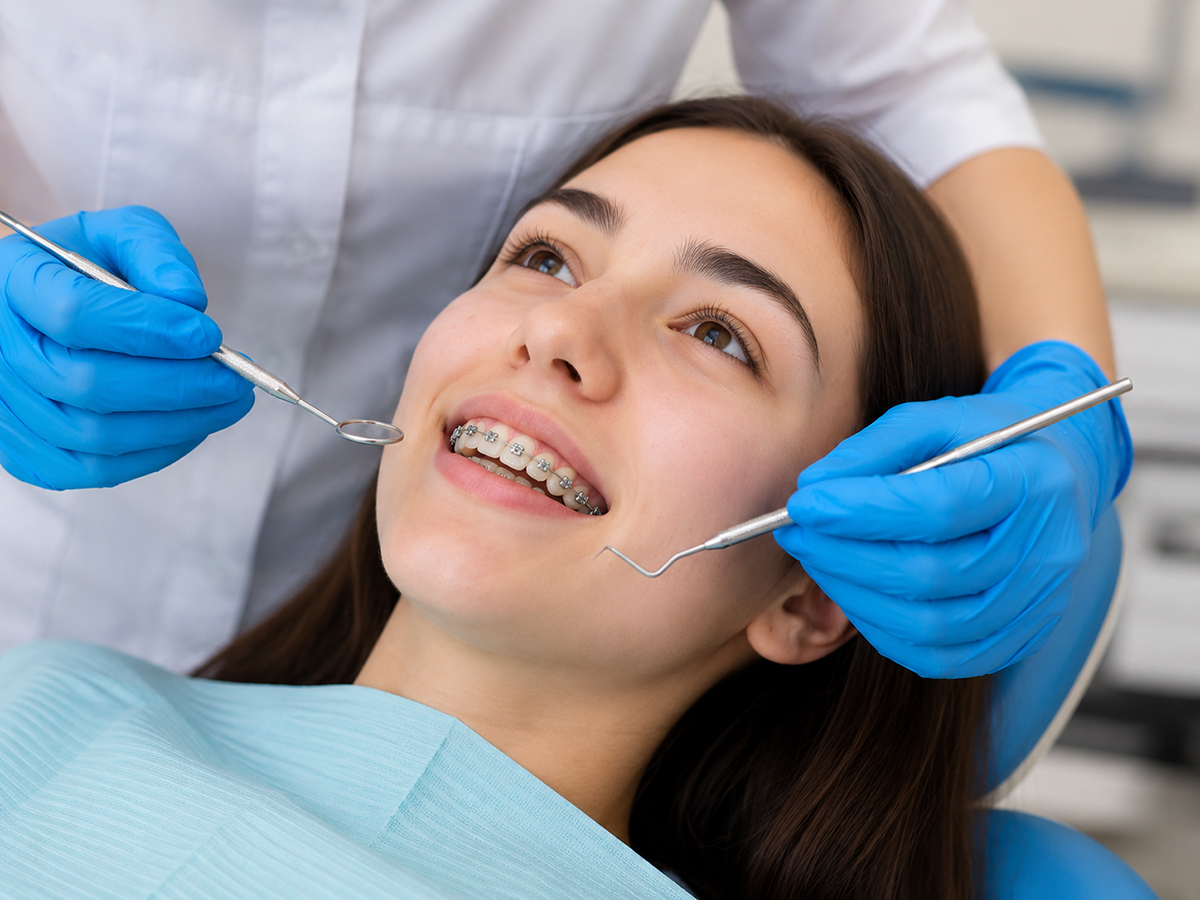
Who May Benefit from Orthodontic Treatment?
Orthodontic treatment can be suitable for children, teenagers
and adults whose oral and dental condition allows it.
- People with crowded teeth
- People with noticeable gaps between their teeth
- People whose upper and lower teeth do not bite together correctly
- People unhappy with the appearance of their tooth alignment
- People whose tooth alignment makes oral care difficult
- Children and teenagers who need an orthodontic assessment of their dental and jaw development
Your need for orthodontic treatment and the available options are determined
after a clinical examination and any necessary imaging.
Orthodontic Treatment Options
Fixed Braces
Clear Aligners
Different orthodontic approaches can address different needs and oral anatomies. The most suitable option is chosen according to your orthodontic condition and individual treatment plan.
Your Orthodontic Treatment Journey
Orthodontic planning considers the position of your teeth, how they bite together and your jaw anatomy. Your treatment journey will depend on your individual needs.
Examination and Assessment
Imaging and Treatment Records
Your Personalised Treatment Plan
Starting Your Orthodontic Treatment
Regular Progress Reviews
The Retention Phase
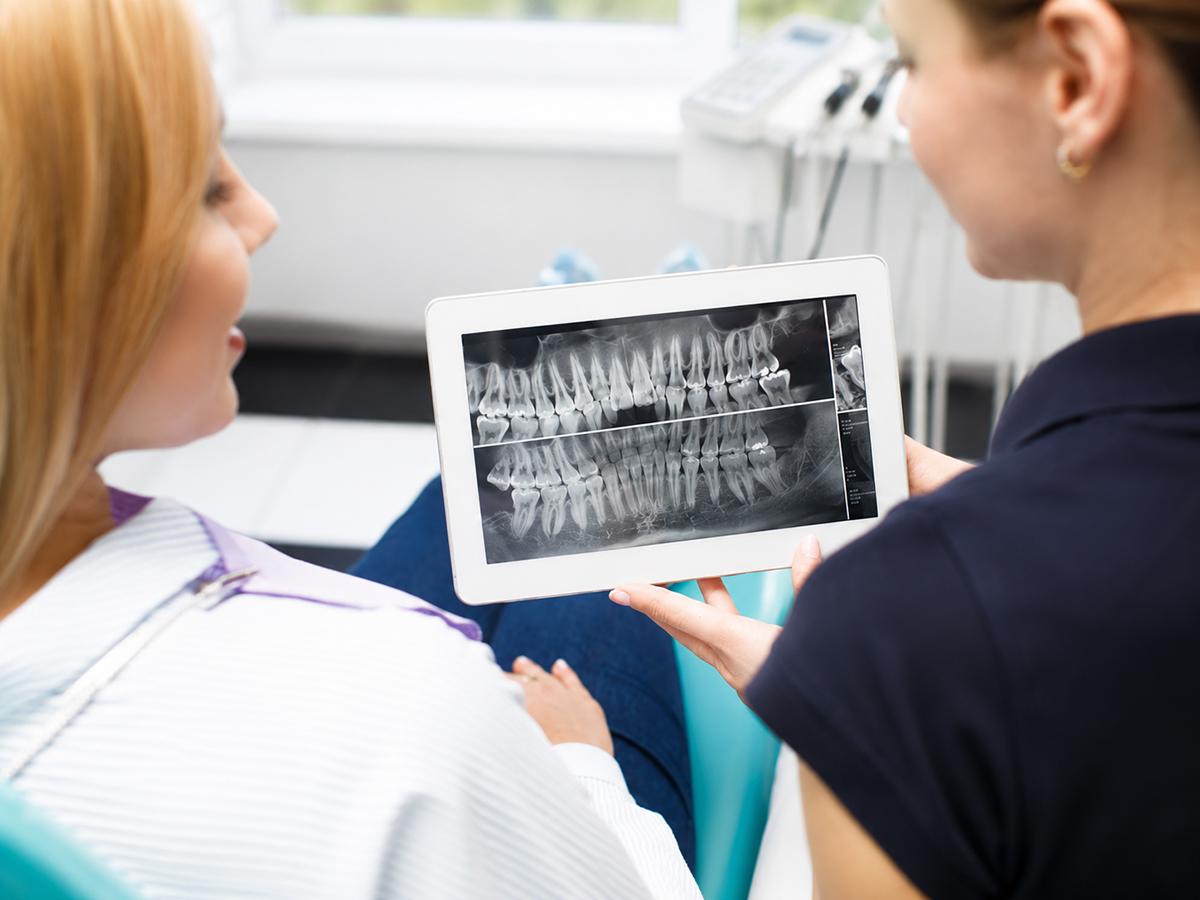
Orthodontic Care Planned Around You
The type and complexity of orthodontic problems vary from person to person. Your treatment method and expected timeline therefore need to be assessed individually.
Planning considers your tooth position and bite, as well as your jaw anatomy, age, oral health and treatment expectations. Options such as fixed braces or clear aligners are selected on the basis of this assessment.
Benefits of Orthodontic Treatment
In suitable cases, orthodontic treatment can improve tooth alignment and the way your teeth bite together, offering benefits for both function and appearance.
- Improved alignment of crowded teeth
- Closure of unwanted gaps between teeth
- An improved bite
- A more evenly aligned smile
- Improved alignment to make teeth easier to clean
- A more balanced smile
Looking After Your Teeth During Treatment
Following your treatment instructions plays an important role in keeping your orthodontic care on track.
With fixed braces, you need to clean carefully around the brackets and wires. With clear aligners, it is important to wear them for the time prescribed by your dentist and clean them regularly.
For both approaches, maintaining good oral hygiene and attending your scheduled review appointments are essential parts of treatment.

Keeping Your Smile Aligned After Treatment
Active orthodontic treatment ends once your teeth reach their planned positions. A retention phase may then be needed to help keep them in place.
Fixed or removable retainers may be used during this phase. The type of retainer and how long you need to use it depend on your treatment outcome and oral anatomy.
Following your dentist’s retention advice and continuing your review appointments are important for maintaining your results.
Your Orthodontic Questions Answered
Find answers to common questions about orthodontic treatment options, timelines and everyday life during treatment.